From Snow Road Station — Why Where You Make Things Matters
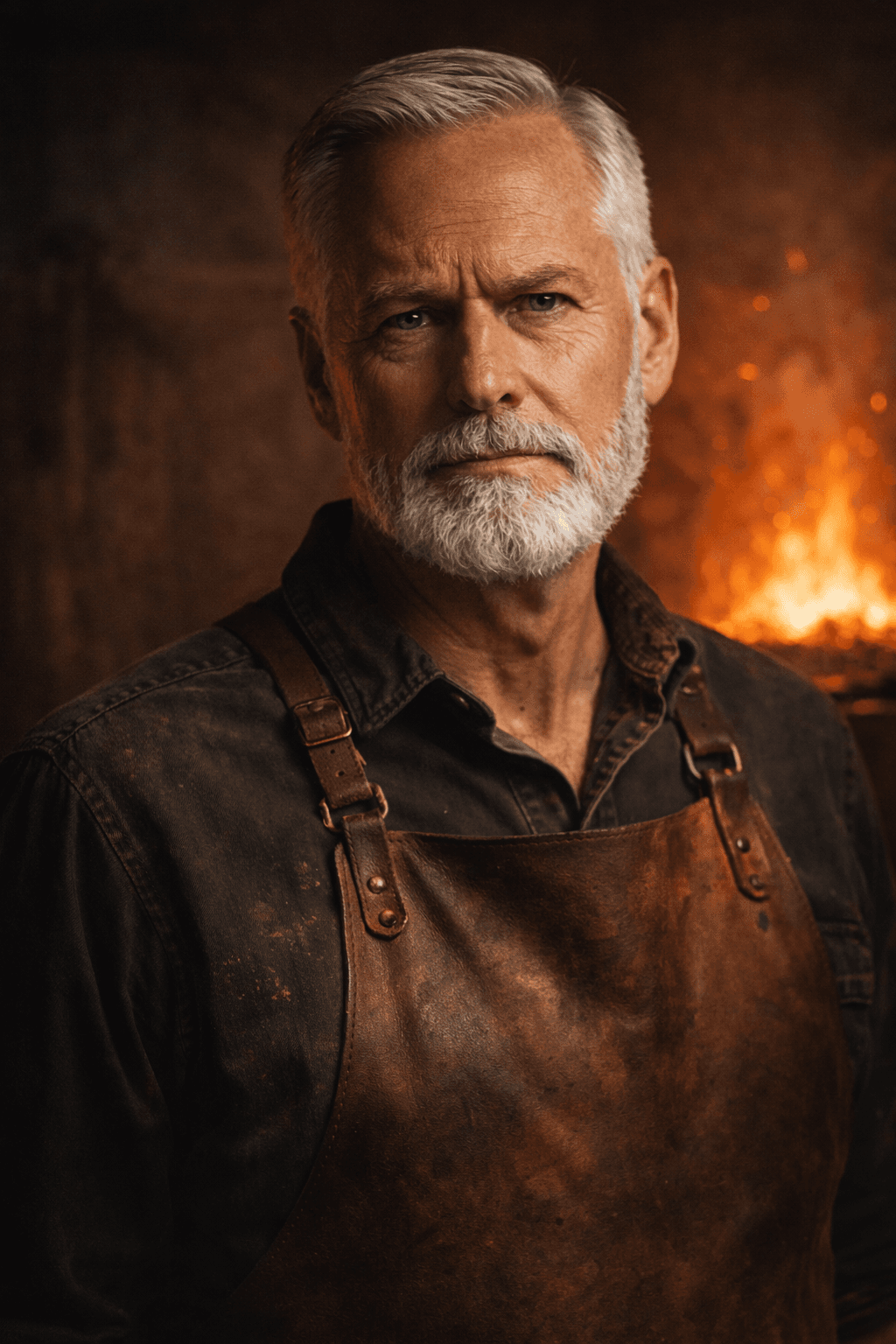
Arthur J. Hannigan
April 20, 2025
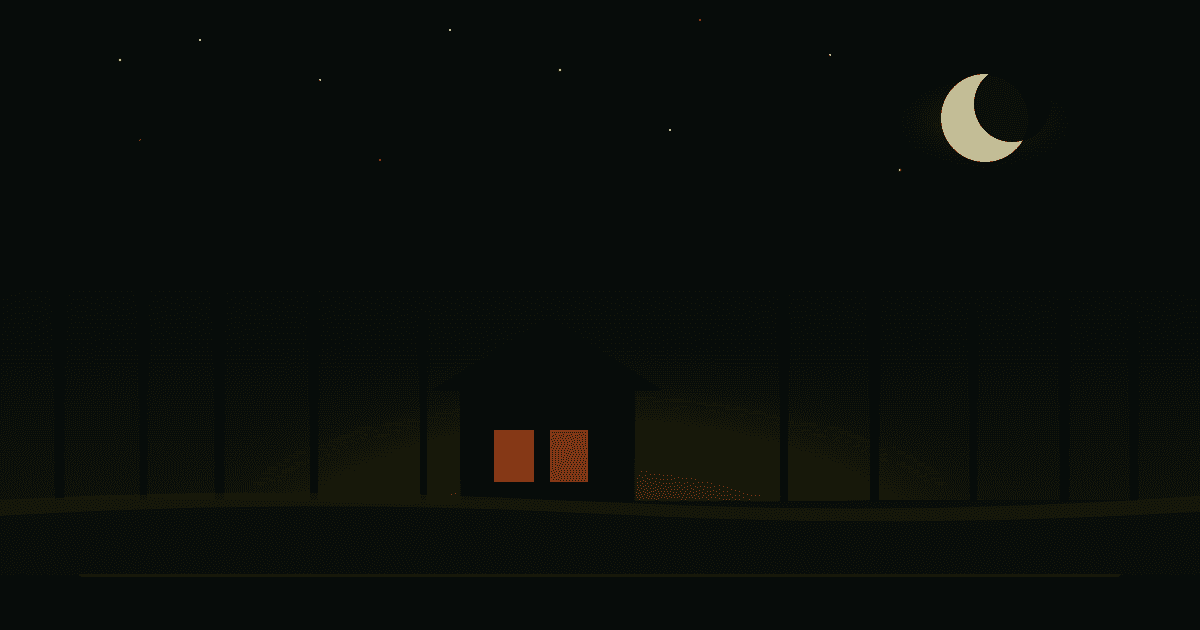
The forge is in a small community in eastern Ontario. The pace here is deliberate. That is not incidental to the work — it is the work.
Snow Road Station is a small community in Lanark County, eastern Ontario. If you have not heard of it, that is not unusual — it is the kind of place that does not announce itself. A general store, a handful of roads, farms that have been in the same families for five or six generations, and the kind of quiet that is only possible when you are genuinely away from things.
The forge is here. That is not accidental.
The Pace of the Place
Handmaking a knife is not a fast process. From raw stock to finished edge, a standard kitchen knife takes the better part of a working day. A custom commission — with a complex Damascus billet, a carved handle, and a leather sheath — can take a week. There is no way to compress the work without it showing.
The pace of Snow Road Station matches the pace of the work. There are no commutes eating the morning. No foot traffic. No noise beyond what comes through the shop windows — and in winter, very little of that. The attention that the work requires is available because the environment supports it.
35 Years in One Place
I have been working steel in this area for 35 years. The first decade was repair work — sharpening and reconditioning equipment for farmers and butchers who needed their tools to work and had no patience for knives that did not. You learn a great deal about what a blade needs to do by fixing blades that have stopped doing it.
The forge came later, once the work had become less about fixing and more about making. The transition happened gradually, in the way most things happen when you are not forcing them — one commissioned piece at a time, until commissioned pieces were the majority of the work, and then all of it.
What the Region Contributes
Lanark County has a long history of ironwork. The Ottawa Valley was logging country through the 19th century, and with logging comes a constant requirement for axe and tool maintenance. The traditions of working metal with hand tools — accurately, durably, without ceremony — are embedded in the region's craft history in ways that are not always visible but are felt.
More practically: the hardwood forests here provide material for handles. Maple, walnut, cherry — these grow in the bush lots and woodlots within a short drive of the forge. When a handle comes from wood that grew an hour away, that is not a marketing claim. It is just what happened.
On Making Things by Hand
Every knife that leaves this forge was touched — shaped, ground, fitted, finished — by hand. There is no CNC equipment here. The profile of each blade is ground by eye and feel against a running wheel, checked with calipers, adjusted, checked again. The handle is shaped to fit the tang, fitted, re-fitted, pinned, and finished by hand.
This is not a philosophical position about craft for its own sake. It is a practical acknowledgment that the quality I am trying to achieve requires the feedback loop that only hand work provides. A machine can reproduce a profile accurately and quickly. It cannot feel the way the steel is responding to the wheel, or notice the slight asymmetry in a bevel that needs a correcting pass.
The knives that leave here are better because they are made this way. That is the only reason to do it.
What You Get When You Buy One
When you buy an Artizan knife, you are buying an object that was made once, in one place, by one person who has been doing this for a long time. There is no production run behind it, no batch of identical units. The knife you have is the knife that was made.
That matters for the obvious reasons — the quality, the attention, the care in the finishing. But it also matters in a less obvious way: you can know the story of the object. Where it was made, who made it, what steel is in it, what the handle is, why those choices were made. Most objects do not come with that.
This one does.